The Provincial Government of Camarines Sur has intensified its dengue prevention and control efforts as the province remains under a state of calamity, strengthening field monitoring, community mobilization and the elimination of mosquito-breeding sites across municipalities and barangays.
The heightened response follows the province’s recorded 1,233 confirmed dengue cases and 18 reported deaths as of September 24, 2026. Bato, Nabua and Pili reported the most cases at 152, 123, and 110, respectively.
Through the Provincial Dengue Task Force, monitoring teams have been deployed to various municipalities to validate reported cases, identify areas with increasing infections and assess the implementation of dengue prevention measures on the ground.
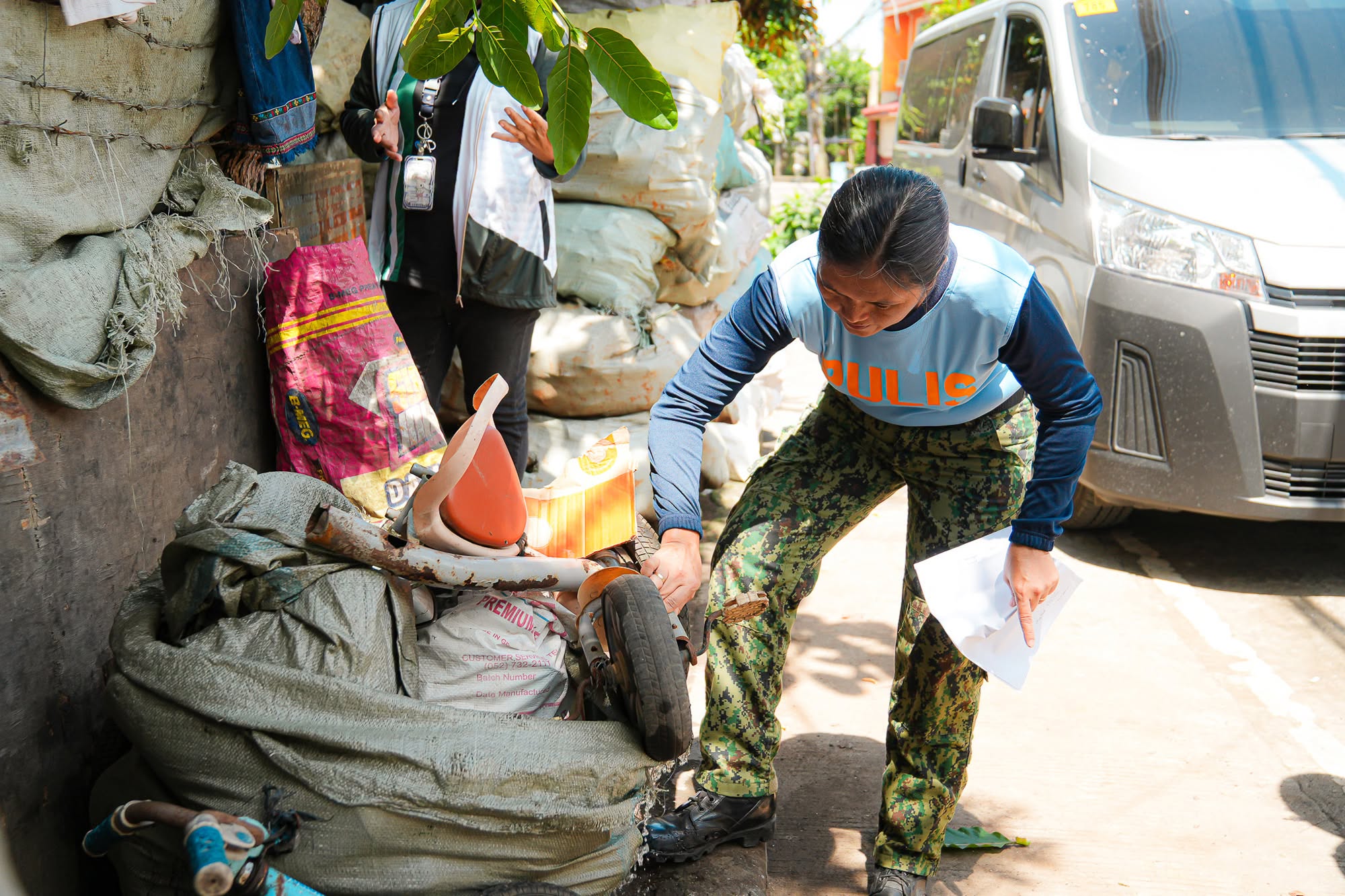
Field operations include barangay inspections and house-to-house visits to eliminate potential mosquito-breeding sites, particularly containers and areas where stagnant water can accumulate, such as water-storage containers, drums and buckets, discarded bottles and cans, flowerpots, tires, roof gutters, drainage systems, vacant lots, construction sites, schools and markets.
Barangays have been directed to sustain weekly search and destroy operations, with additional interventions in hotspots identified by health authorities.
Ruby S. Fabillar, designated Municipal Epidemiology and Surveillance Unit (MESU) Surveillance Officer and Health Emergency Management Staff (HEMS) Coordinator of the Rural Health Unit in Magarao, stressed that community participation remains essential.
“Importante po na ma-involve ang satuyang mga residente kasi sinda po ang makaka-experiencia kaining mga dengue cases. Kasi yaon man lang po ang RHU and munisipyo na matabang para sa mga barangay para ma-lessen talaga or mawara ang dengue case,” she said.
Households are also being mobilized through the “10 Minutes Against Dengue” campaign, which encourages families to spend at least 10 minutes each day checking and cleaning their homes and surroundings. It promotes four basic actions: check, remove, cover, and clean.
The province is likewise strengthening the daily “Alas Kwatro Kontra Mosquito” campaign at around 4 p.m., urging households, schools, government offices and workplaces to practice the 4Ts: Taob, Taktak, Tuyo and Takip.
These household-level measures complement the province-wide cleanup and Search and Destroy operations, which focus on removing stagnant water, addressing drainage problems and eliminating containers, waste and other potential breeding sites.
Municipal and barangay governments have also been directed to strengthen their local dengue response teams, designate dengue focal persons and maintain localized response plans identifying reported cases, areas with increasing infections, suspected breeding sites, schools, day-care centers, construction sites, vacant lots, drainage problem areas and other locations requiring intervention.
The province is further strengthening dengue case mapping and hotspot identification to direct personnel and resources where they are needed most.
For families who have experienced dengue firsthand, early action matters. Salvador Presbitiro Jr., a resident of Barangay Del Carmen, Sagñay, immediately brought his child home from Legazpi for medical assessment after symptoms appeared. After testing positive, the child was admitted to a local infirmary and recovered after several days.
The experience reinforced for Presbitiro the importance of vigilance, particularly for families whose children regularly travel or study outside their home communities.
“Konting ingat na lang po. Paki-check na lang po sa palibot dahil ‘yan naman ang cause kang istorya kang bawat pamilya na maglinis sa kapaligiran, iwasan ang mga bagay-bagay na pwedeng istakan ng mga lamok. Tukduan ta ang mga aki na magtabang sa magurang sa paglinig kang palibot kang harong,” he shared.
With the province under Provincial Red Alert, the intensified response emphasizes that dengue prevention must extend beyond health facilities and government operations and reach every household, barangay and community. Residents are urged to make prevention part of their daily routine: check for stagnant water, remove potential breeding sites, cover water containers and keep surroundings clean.
In Camarines Sur, the fight against dengue begins at home, but protecting communities requires everyone to take part.


 Provincial Government of Camarines Sur